MSP Staffing in 2026: Why Better Tools Are Not Closing the Talent Gap
Published September 25, 2026
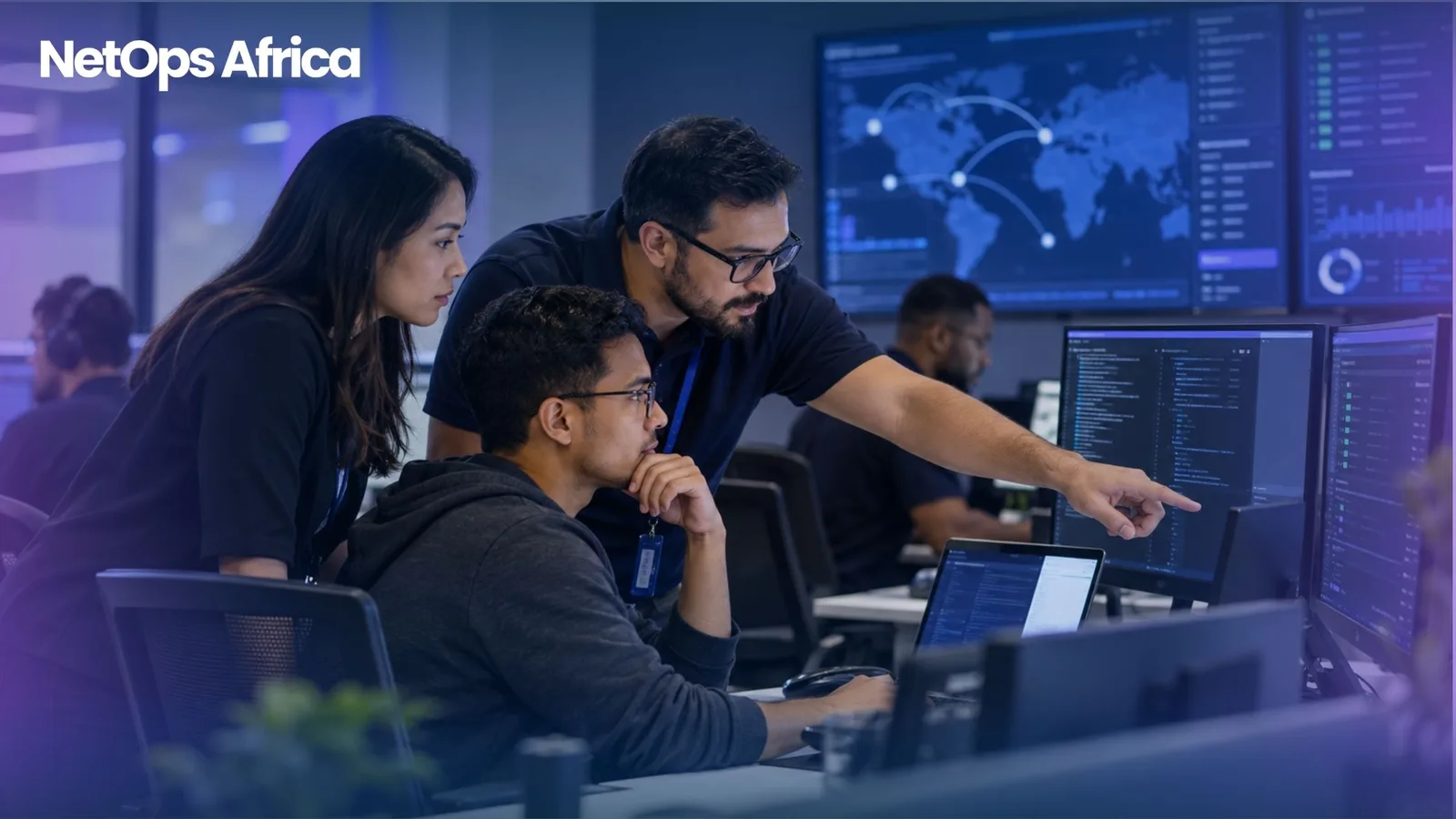
MSP staffing has become one of the most pressing operational challenges across the industry. The 2026 Kaseya State of the MSP Report, based on feedback from more than 1,000 MSPs, puts numbers to what many owners are experiencing directly: the percentage reporting difficulty finding and hiring skilled technicians rose from 9 percent to 16 percent year over year. That near doubling reflects a problem that directly affects service delivery and growth capacity.
What makes that finding relevant is the surrounding context. Tool adoption is high, and AI and automation are entering MSP operations, yet the staffing challenge is becoming more acute. If better tools are not closing the talent gap, what does a more complete response look like?
This post works through what that data shows operationally, and how automation and access to a broader talent pool can work together as part of the response.
Key Takeaways
- The percentage of MSPs reporting difficulty hiring skilled technicians nearly doubled year over year, according to the 2026 Kaseya State of the MSP Report.
- Staffing has moved from a background concern to a front-line operational challenge, with tool fragmentation no longer the primary issue it was a year ago.
- AI automation for MSPs can increase the output of the technical staff you already have, but it does not remove the need for skilled people.
- Offshore staffing and team augmentation can help broaden the available talent pool when additional skilled capacity is needed.
- NetOps Africa operates as an embedded team extension model, not traditional outsourced IT services, keeping accountability and management with the MSP.
What the 2026 Industry Data Shows About MSP Staffing
The 2026 Kaseya State of the MSP Report covers a range of operational and business challenges across the MSP industry. A few findings stand out as particularly relevant to the staffing picture.
Hiring difficulty has increased sharply. The share of MSPs reporting difficulty finding and hiring skilled technicians moved from 9 percent to 16 percent in a single year. Kaseya also notes that tool fragmentation, the leading operational challenge the prior year, has been displaced by staffing concerns.
The report also shows that 83 percent of MSPs say their IT management tools significantly improve operational efficiency, while 71 percent identify acquiring new customers as their biggest business challenge. Those two pressures compound each other. Growth requires taking on more clients, but more clients require more technical capacity, which the domestic hiring market is making harder and more expensive to build.
What This Means Operationally for Growing MSPs
When hiring difficulty rises and the available talent pool does not expand proportionally, pressure can concentrate on the people already in the team. Senior engineers can absorb more tickets. Response times can stretch. Maintaining consistent service quality becomes harder to manage.
Repeated hiring cycles carry overhead that is easy to underestimate: management time consumed by sourcing, coverage gaps during vacancies, and the productivity ramp while new team members get up to speed. When that repeats across multiple roles, it accumulates into a material operational cost.
Cost is a separate pressure. The Bureau of Labor Statistics reports May 2025 median wages of $76,220 for network support specialists and $61,860 for user support specialists. When benefits, payroll tax, and overhead are factored in, total employment cost becomes a significant planning variable for MSPs managing margin carefully. The staffing challenge is not only about finding people. It is about finding people at a cost structure that preserves the managed services model.
AI Automation for MSPs: A Genuine Help, With Real Limits
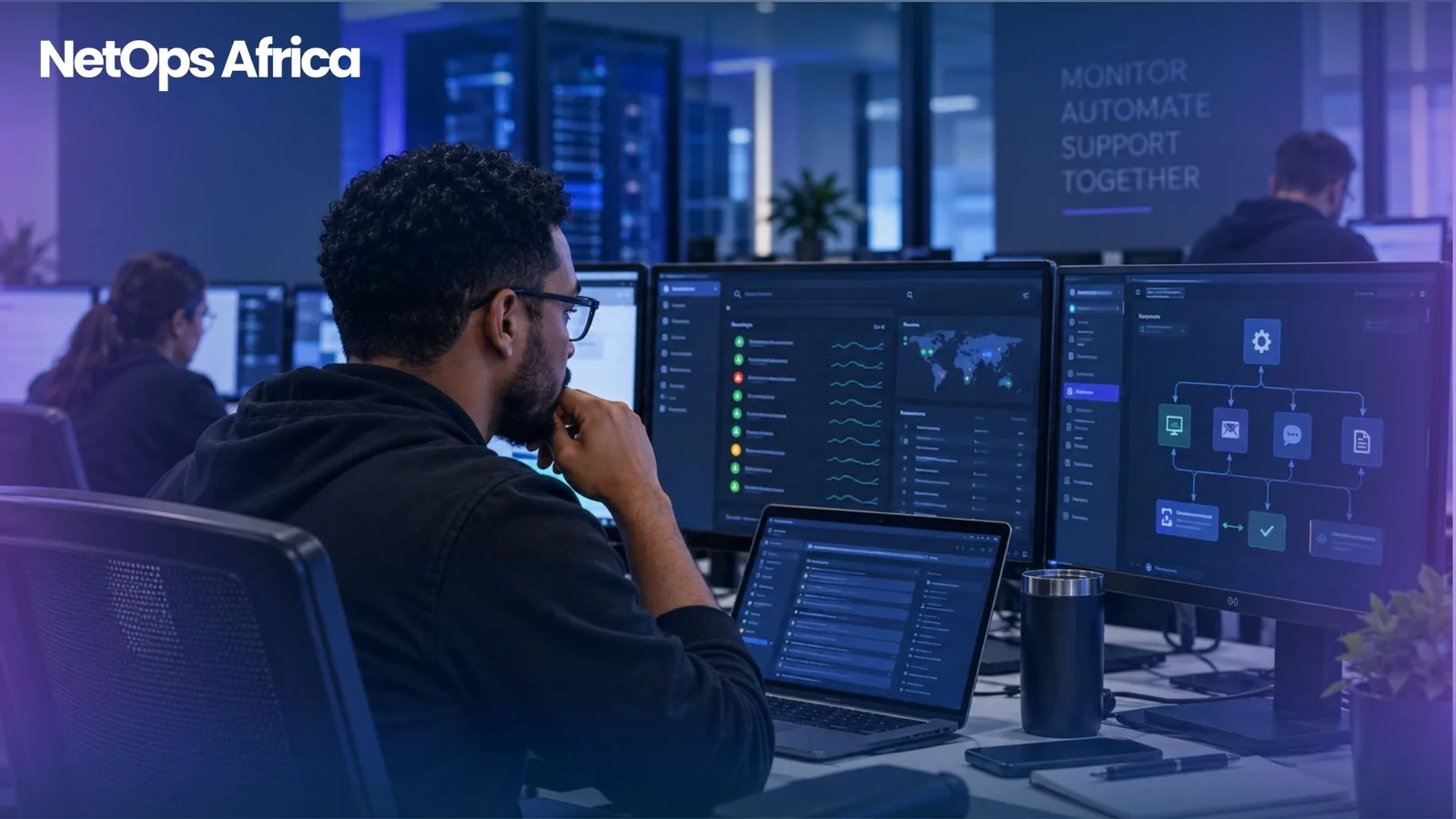
Automated monitoring, AI-assisted triage, and workflow automation reduce manual effort across MSP operations. That efficiency is real. What automation does not do is remove the need for skilled technical people. Escalations require experienced engineers. Complex troubleshooting requires client-specific knowledge. The Kaseya data reflects this directly: efficiency gains are high while hiring difficulty is rising. Automation and skilled human capacity are complementary, not interchangeable.
Broadening the Talent Pool as Part of the Response
One part of the response is broadening where skilled technical people are sourced from. Offshore staffing and team augmentation are two approaches MSPs use to access a wider talent pool without the full cost structure of domestic employment.
Team augmentation, which can range from short-term contract support to longer embedded arrangements, is one approach MSPs use to add technical capacity. The degree to which a team member builds client and process knowledge over time will depend on the length and structure of the engagement.
An embedded model places a remote team member directly under the MSP's management. Unlike traditional outsourced IT services, where a third party manages a function on their own terms, the embedded team member uses the MSP's tools and processes and builds client knowledge over time. The offshore partner handles payroll, compliance, and HR. The working relationship and accountability remain with the MSP.
How NetOps Africa Fits Into This Picture
NetOps Africa's embedded team extension model is designed specifically for US MSPs navigating the staffing constraints the Kaseya data describes. The model is not traditional outsourced IT services. It is not a managed service that sits outside your team structure. It is a way of adding skilled technical capacity that integrates into your operation as a direct report.
South African tech professionals bring strong English fluency, alignment with Western business culture and U.S. professional standards, and certifications including Microsoft, Cisco, and AWS. Real-time overlap with U.S. business hours is available for standard shift coverage. NetOps Africa's client data points to cost reductions of 30 to 40 percent compared to equivalent domestic hires, though savings vary by role and engagement.
Candidates go through NetOps Africa's vetting process covering technical competency, communication quality, cultural alignment, and reference and background checks, all completed before a shortlist is presented to the client.
The engagement is structured to feel like direct hiring. You define the role and criteria. NetOps Africa delivers a curated shortlist. You select and onboard the team member into your tools and workflows. A structured initial engagement period provides an evaluation window before any long-term commitment.
Start With the Staffing Constraint, Not the Symptom
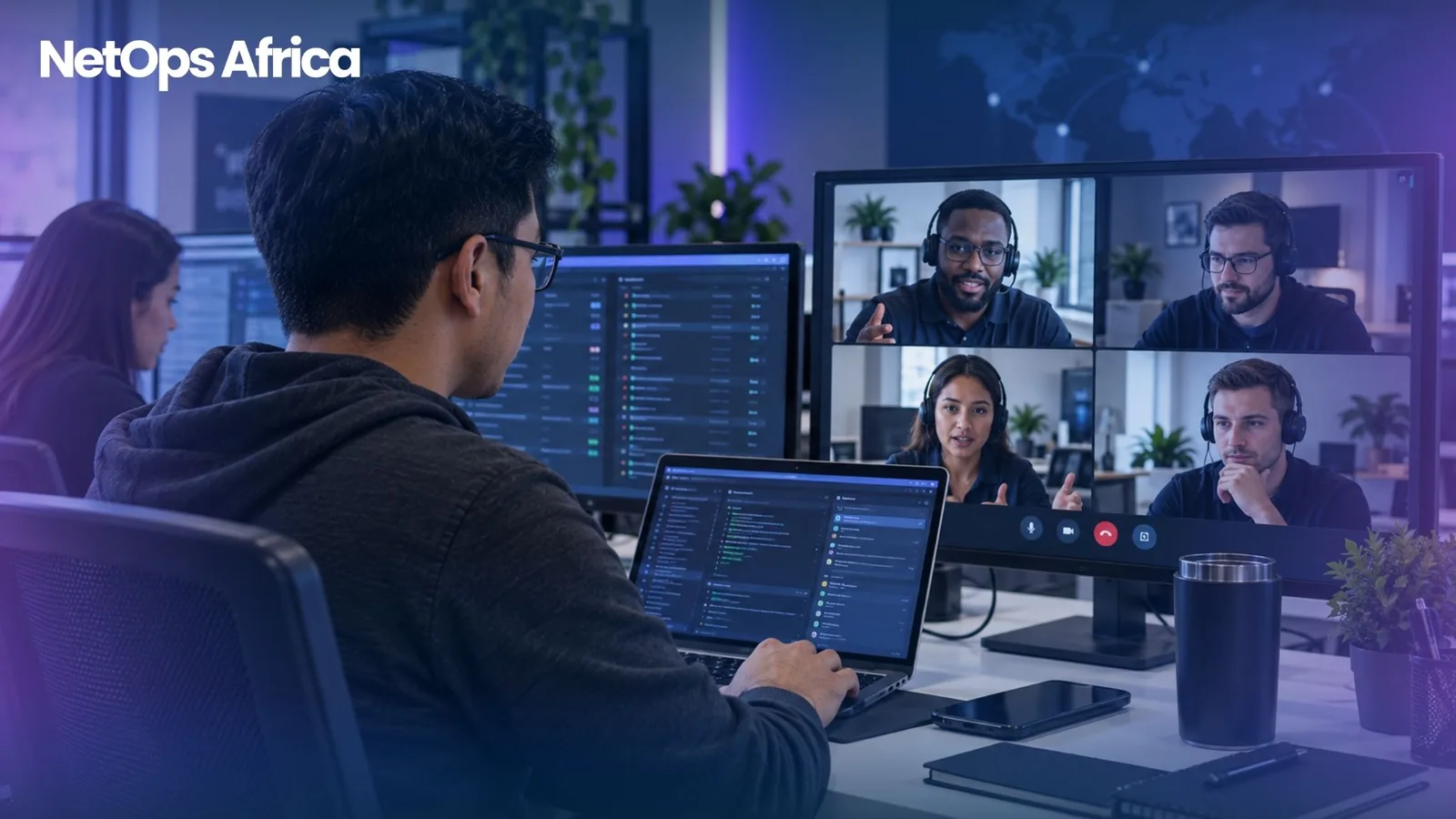
The industry data points to a staffing challenge growing independently of tool investment. For MSPs that want to grow without being constrained by the domestic hiring market, broadening the available talent pool is a practical part of the response.
See how this would work in your MSP. Book a Discovery Call to discuss what an embedded team extension could look like for your business and your current capacity constraints.
Frequently Asked Questions
Why is MSP staffing becoming a bigger challenge in 2026?
According to the 2026 Kaseya State of the MSP Report, based on feedback from more than 1,000 MSPs, the percentage reporting difficulty finding and hiring skilled technicians rose from 9 percent to 16 percent year over year. That increase is occurring alongside high tool adoption and efficiency gains, which suggests the staffing constraint is growing independently of technology investment.
Why is offshore staffing relevant for MSPs facing a talent gap?
Offshore staffing gives MSPs access to a broader pool of skilled technical professionals than the domestic hiring market alone provides. For MSPs experiencing hiring difficulty, it is one way to add capacity without the full cost structure of domestic employment. The degree to which it works depends on the staffing model used and how well the team member is integrated into the MSP's existing operation.
What is team augmentation and how does it differ from embedded team extension?
Team augmentation typically refers to adding contract workers for a defined period to cover a specific capacity need. It can be effective for short-term gaps, though shorter engagements limit how much client and process knowledge a contractor has time to build. Embedded team extension places a remote team member under the MSP's direct management on a longer-term basis, using the MSP's tools and processes, which tends to support greater continuity and institutional knowledge over time.
Can AI automation for MSPs replace the need for more technical staff?
AI automation for MSPs can meaningfully increase the output of the technical staff you already have by reducing manual effort in areas like monitoring, alert triage, and routine workflows. What it does not replace is the need for skilled people to handle escalations, complex troubleshooting, and client relationships. The 2026 Kaseya State of the MSP Report reflects this: tool adoption and efficiency gains are high, while hiring difficulty is rising in parallel, suggesting automation and skilled human capacity are complementary rather than interchangeable.
How is NetOps Africa different from traditional outsourced IT services?
Traditional outsourced IT services typically hand a function to a third-party provider who manages it on their own terms, with limited visibility for the MSP into day-to-day delivery. NetOps Africa's model is a dedicated team extension: the team member works under the MSP's direct management, in the MSP's systems, accountable to the MSP. The administrative back-end, including local employment compliance, payroll, and HR, is handled by NetOps Africa, but the working relationship and team accountability remain with the MSP.