Why Managed Service Providers Need Dedicated AI Engineers in 2026
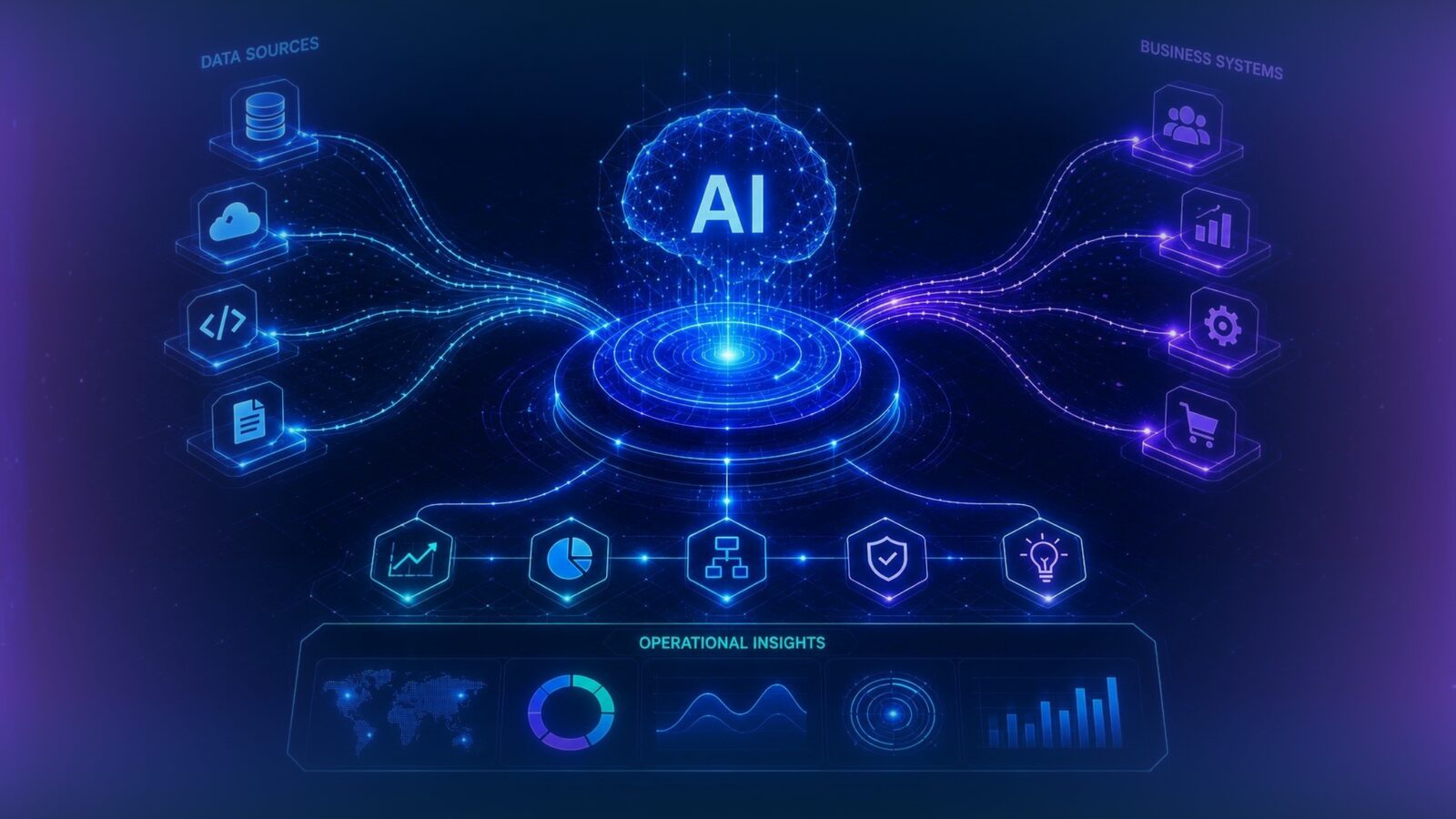
Your clients are not asking whether AI is useful anymore. They are asking their managed service provider to help them use it.
That shift is creating a real capacity problem for MSPs. Clients want workflows automated, data connected, reports generated faster, and internal teams made more productive. That requires focused technical ownership, and most MSP teams do not have that available right now.
This article covers what dedicated AI engineers can do for your managed IT support operation, why existing teams struggle to own AI projects, and how to build that capacity without overextending your margin.
AI Has Moved Past the Experimentation Phase
For the last two years, most MSPs have been watching AI from the sidelines: testing tools internally, adding ticket summaries in the PSA, and drafting documentation faster. That was phase one.
Phase two is different. Clients are now asking their managed service provider how AI can improve their actual business operations. According to McKinsey, 65% of organizations are now regularly using generative AI in at least one business function, up from 33% just a year prior. That adoption is accelerating, and the questions are landing on MSP desks.
You are no longer just supporting endpoints, networks, cloud systems, and users. You are being pulled into business process improvement, automation design, and AI readiness. That is a significant shift, and it is not something you can handle by adding one more task to your managed IT support team's already full plate.
The Threat and the Opportunity Are the Same Conversation
If your managed services operation cannot answer the AI question, someone else will. Consultants, software vendors, automation firms, and internal power users are all competing to own that conversation with your clients.
The opportunity is that MSPs are already in the best position to lead it. You know the client's environment. You understand their users, systems, permissions, data, workflows, and risk profile. No external consultant walking in cold has that advantage.
An MSP that can help clients become AI-ready stops being a support provider and starts being a strategic partner. That means stronger retention, higher-value project conversations, and recurring revenue that does not exist in a pure break-fix model.
Want AI capacity without the hiring risk?
See how dedicated South African engineers add focused AI and automation capacity to your MSP.
What a Dedicated AI Engineer Can Do for Your MSP
A dedicated AI engineer does not replace your existing managed IT support services team. The role fills a specific gap: focused technical capacity around AI, automation, integrations, and internal productivity.
For managed service providers, that can include:
- AI workflow design. Mapping repetitive client or internal processes and turning them into structured, AI-assisted workflows.
- Automation projects. Building automations across Microsoft 365, ticketing systems, CRMs, documentation platforms, and reporting tools.
- AI readiness assessments. Helping clients understand where AI can be safely used, what data is available, and where risk exists.
- Internal AI enablement. Creating tools that help your managed IT support team summarize tickets, draft documentation, and reduce manual work.
- Data cleanup and structure. Helping clients organize data so AI tools can produce reliable, useful output.
- Prompt and process engineering. Building repeatable workflows that produce consistent results your team can package and sell.
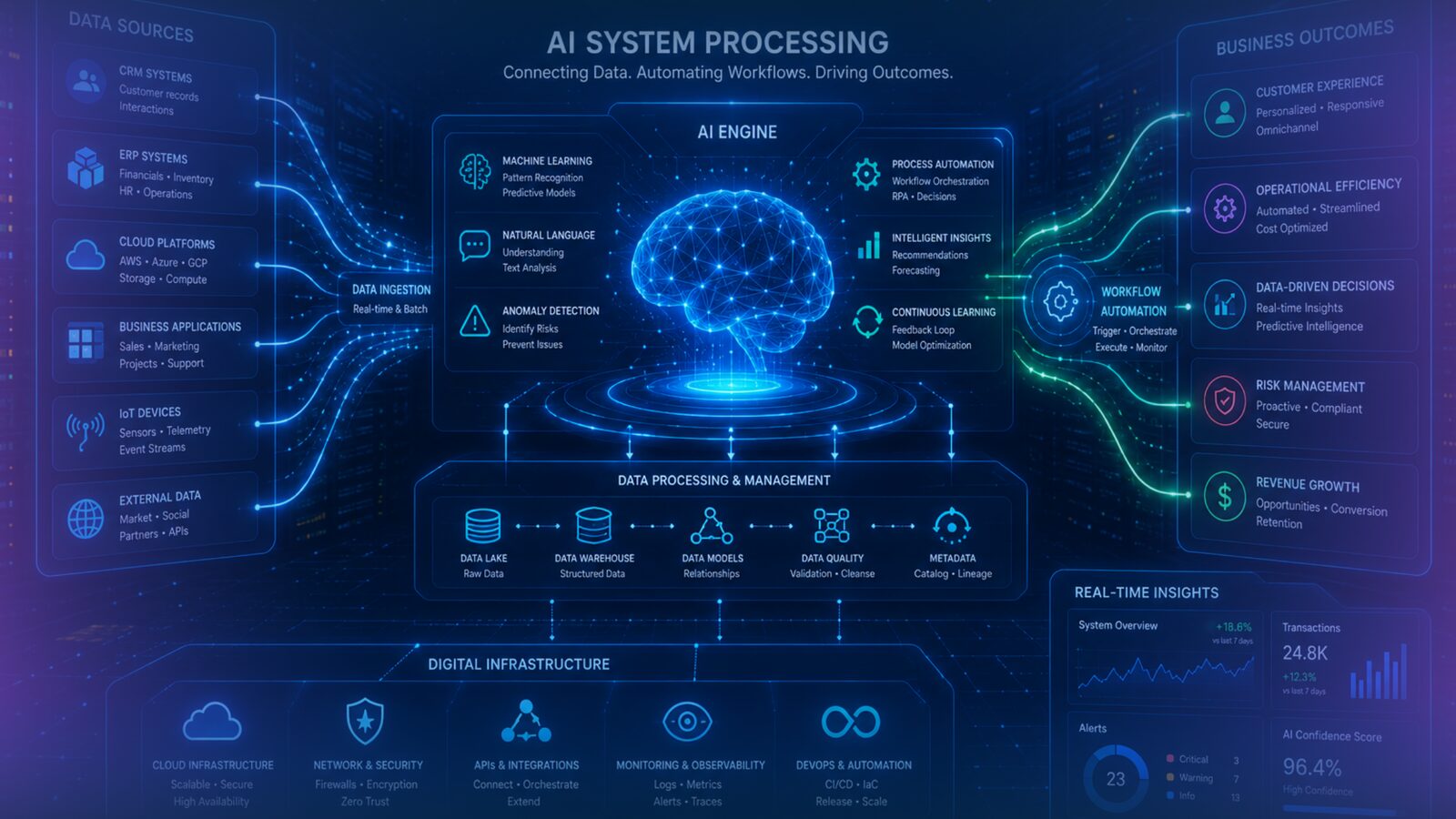
Why Your Current Managed IT Support Team Cannot Own This
Most managed service providers already have strong engineers. That is not the issue. The issue is bandwidth.
Your senior engineers are responsible for escalations, projects, client issues, security concerns, and the operational work that keeps the business running. Your managed IT support services team is under pressure to hit SLAs every single day.
AI projects need something entirely different: discovery, process mapping, experimentation, testing, documentation, and iteration. They are not clean one-hour tickets. According to CompTIA's IT Industry Outlook, AI skills gaps are among the top workforce challenges facing technology companies right now.
When AI becomes something the team will get to when things calm down, it does not happen. And when it does happen without dedicated ownership, it falls apart. Nothing gets standardized, repeatable, or packaged into something you can sell.
Offshore Jobs vs Offshore Staffing: Understanding the Difference
When most people hear offshore jobs, they picture traditional labor models: roles shipped overseas, managed at arm's length, disconnected from the business they support. That model has been common in manufacturing and industries like offshore oil rig jobs, where workers are physically placed in remote locations with minimal integration into day-to-day operations.
MSP offshore staffing works differently, and the distinction matters.
The NetOps Africa model is not traditional offshoring. South African engineers are embedded directly inside your managed services operation. They work in your PSA, your RMM, and your tools. They follow your processes and meet your standards, and become part of your delivery engine. The business was built by MSP operators who understood this gap and built a model specifically to close it.
This is why comparing NetOps Africa to generic staffing companies or traditional offshore jobs models misses the point. The goal is not cheaper labor in a remote location. The goal is dedicated, integrated technical capacity that makes your MSP stronger.
The Margin Problem with Local Hiring and Staffing Companies
Hiring a local AI engineer through traditional staffing companies or direct recruitment is expensive. Fully burdened costs for automation and AI roles in the US create significant margin pressure before the role generates consistent revenue.
Using your existing senior engineers creates a different problem. Pull them into AI projects and they are not available for escalations, project delivery, or high-value managed IT support work.
So the MSP owner faces a difficult choice: hire expensive local talent before knowing how much AI revenue is actually sellable, overload the current managed IT support services team and risk service quality, or ignore the opportunity and hope clients do not ask too soon. None of those are good options.
A dedicated offshore AI engineer provides a more practical path. You get focused AI and automation capacity at a lower monthly cost, without removing your existing team from their core responsibilities. That lets you build, test, and sell AI services without gambling your margin upfront.
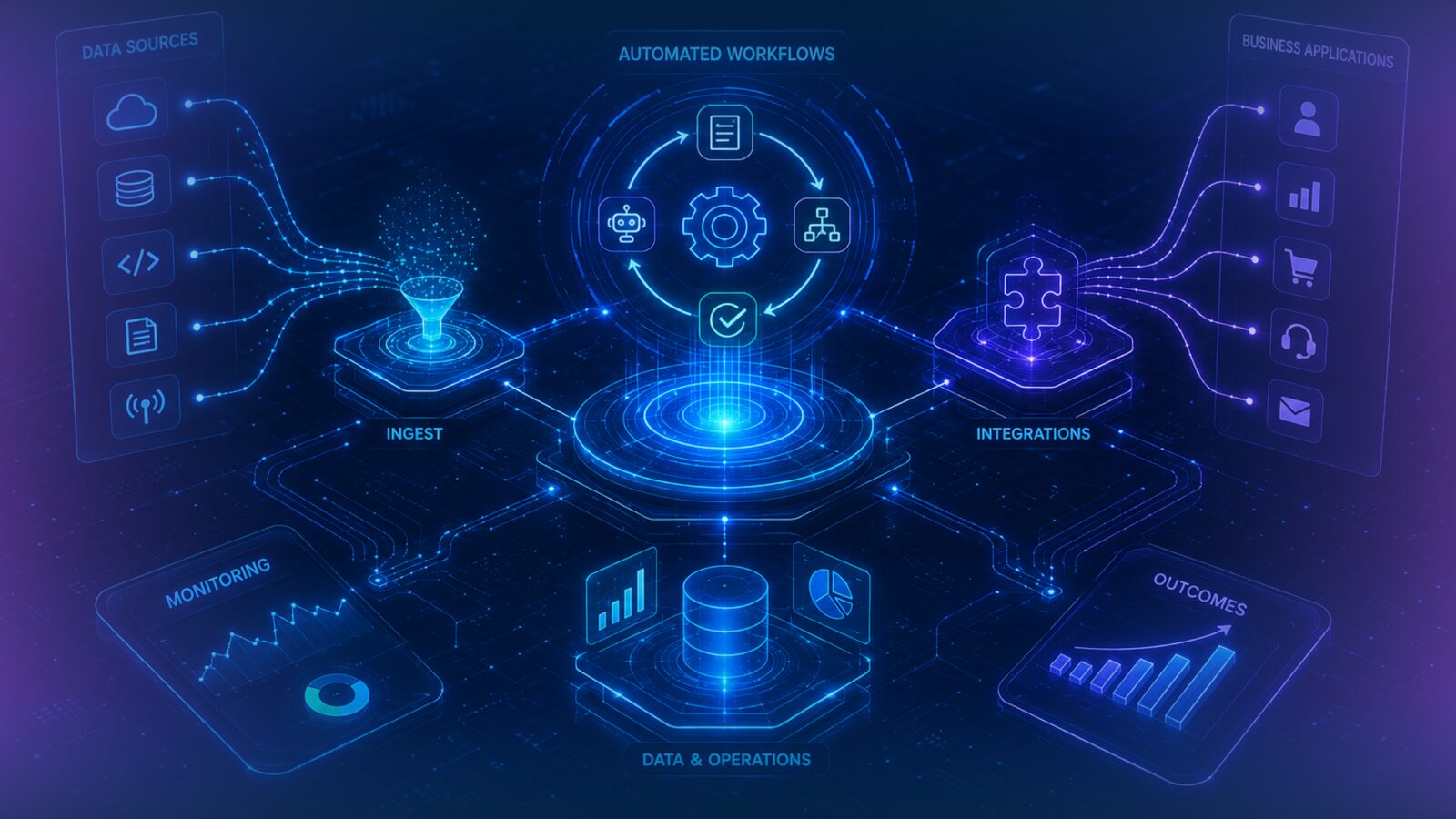
Start Inside Your Own MSP First
The best starting point is your own managed services operation, not a client project.
Before selling AI work to clients, use a dedicated AI engineer to reduce manual work internally: ticket summarization workflows, client report generation, documentation cleanup, internal knowledge base search, SOP creation, PSA and CRM automation, and monthly business review preparation.
These internal projects do two things. First, they save real time for your managed IT support team. Second, they become proof points. Once your MSP has used AI to reduce manual work internally, the client conversation changes completely. You are not selling theory. You are showing clients what is already working inside your own business. That is a much stronger position.
The Takeaway for 2026
AI is not something managed service providers can comfortably wait on. Clients are going to ask about it. Competitors are going to lead with it. The question is whether your MSP is positioned to own the conversation or just react to it.
You do not need to build a large AI department overnight. You do need dedicated technical capacity that can help you build practical workflows, support client projects, and turn AI interest into a real managed IT support services offering before your clients stop waiting and start looking elsewhere.
Dedicated AI engineers help your MSP become AI-ready. They help your clients become AI-ready. And they help you do it without sacrificing the margin that makes growth worthwhile.